If you own Intel-based Macs, you can run OS X and Windows on one machine. In fact, it’s been possible to run Windows on a Mac for some time — with agonizing limitations. Near-extinct Mac models were loaded with Virtual PC emulation software could do Windows, too, but the program was painfully slow. Even if you find an old copy of the software, it won’t work with any current Macs.
Insert the USB drive into the Mac and launch Disk Utility. Click on the USB drive from the left-hand menu and select the Partition tab. Aug 02, 2017 A bootable USB installer is a handy tool for fresh installs of macOS High Sierra. How to create a bootable macOS High Sierra USB Install drive. Create a Bootable Clone Backup Drive Mac. Next, you’ll reboot your computer with the USB stick inserted into an empty port and hold the “Option” key down on your keyboard as your Mac starts, and boot from the USB stick you’ve created. Let us know if it works for you! Disclaimer: Some pages on this site may include an affiliate link. This does not effect our editorial in any way.
Boot Camp software from Apple shook up the computing public upon its apocalyptic arrival in April 2006. Boot Camp graduated from beta, or near-finished, status with the arrival of Leopard. Boot Camp Assistant software is stored in the Utilities folder inside the Applications folder.
Boot Camp itself is free. You have to supply your own single-disc or downloadable full-install version of Windows; an upgrade disc won’t cut it.
It’s also important to note that you can use a 64-bit version of Windows, Windows 7 (Home Premium, Professional, or Ultimate), Windows 8, or Windows 8.1. Consult Apple support to see which Mac models are compatible with which versions of Windows. In its current incarnation, Boot Camp isn’t compatible with 32-bit versions of Windows.
Other requirements follow:
An Intel Mac with OS X version 10.6 or later
At least 2GB of RAM and 20GB of available space on the Mac’s storage drive that you want to donate to Windows
A blank CD or USB storage device that you’ll use for Windows software drivers
If you don’t run into snags, the entire installation should take about an hour.
How To Boot Game From Usb Mac Windows 10
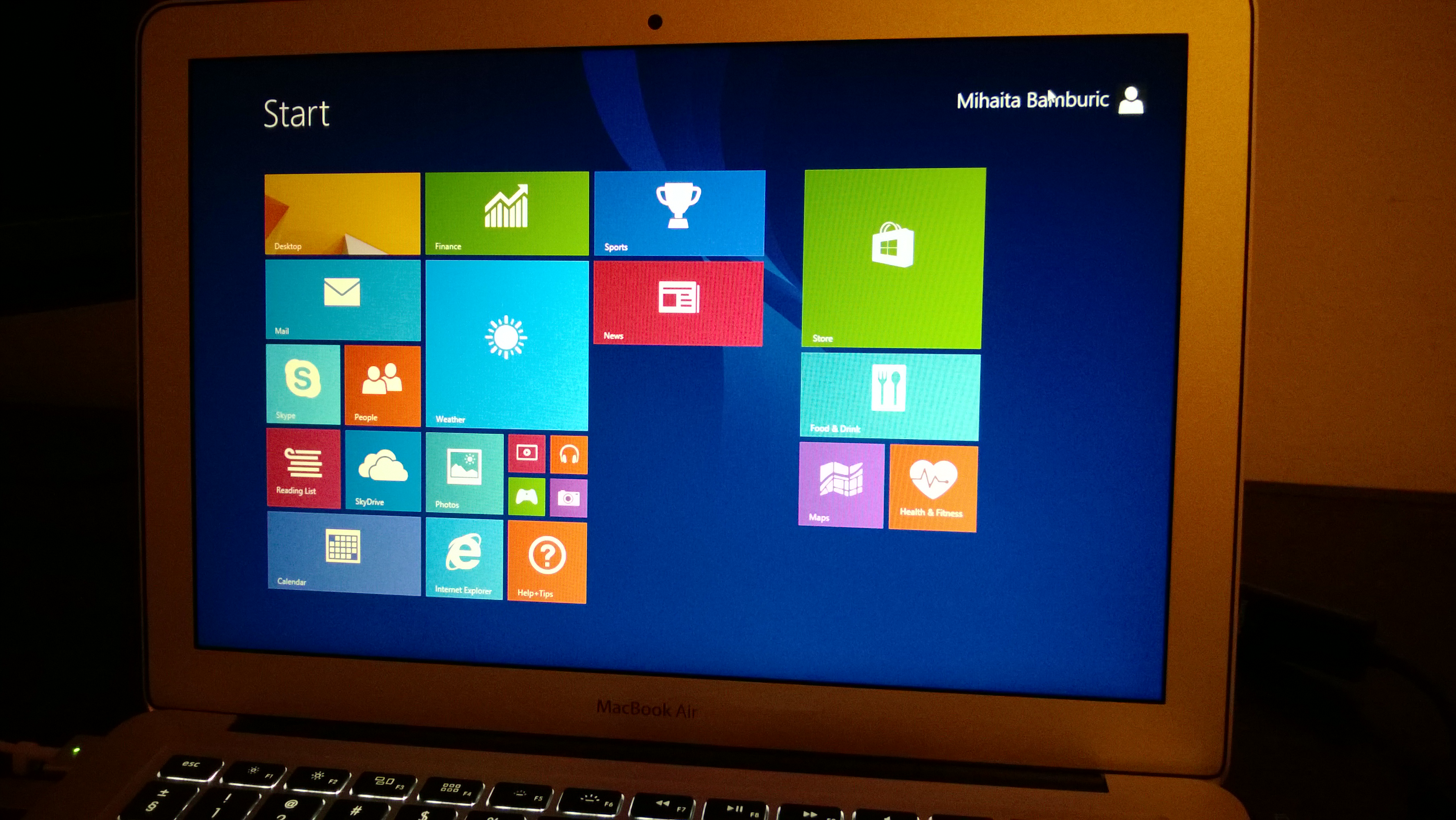
Windows 8 and Windows 8.1 are optimized for a touchscreen environment, though you can use it with a standard mouse and keyboard. For now, Macs don’t support touchscreen computing.
To install Windows 8 via Boot Camp, you still must have a legitimate Windows 8 license from Microsoft and a Win8 installation disc, assuming that you have an optical drive. If you don’t have an optical drive, you may be able to create a Windows installer from an ISO file downloaded from Microsoft on a USB flash drive that’s 8GB or larger.
Because snags are possible, back up all your important information on the Mac’s startup disk.
Basic training
Following are the basic steps to get through Boot Camp:
Run Boot Camp Assistant (in the Utilities folder inside the Applications folder) to make sure that you have the latest firmware on your computer and to install any support software from Apple that you might need.
You’ll find any updates at Apple support. If you’re using a portable computer, make sure to connect the power adapter. You will also be given the option to create a Windows 7 (or later version) install disk for which you’ll need a USB flash drive and an ISO image downloaded from Apple.
Follow the prompts in Boot Camp Assistant to create a partition for Windows.
You’re essentially carving out an area of your hard drive for the Windows operating system,. This partition must be at least 30GB and can swell to the total free disk space on hand minus 30GB. If you don’t plan on doing much in Windows, keep the partition small.
Drag the divider to set the partitions for both OS X and Windows, or click Divide Equally to make equal partitions. You can’t resize a Windows partition after creating it, though you can replace it with a larger Windows partition.
If you have a Mac Pro with more than one internal hard drive, you can select which drive to partition. If any of this makes you nervous, know that you can remove the Windows partition later and go back to a single-partition Mac.
Insert the Windows CD or a USB flash drive with the Windows ISO file and then click Start Installation.
If you exited Boot Camp Assistant before installing Windows, open it again, choose Start the Windows Installer, and click Continue.
When you’re asked to choose the Windows partition, select the partition that says BOOTCAMP.
You may have to scroll down to see it.
Don’t erase any partitions that you see or create a new partition here. Failure to heed this warning could wipe out your entire Mac OS X startup disk.
(Optional) If you see a listing for Drive Options, click it; otherwise, proceed to Step 6.
Reformat the partition by using the Windows installer: Click Format.
You’re using the reliable and secure NTFS file system, but you won’t be able to save files to Windows from Mac OS X, at least not without a techie workaround.
Follow the onscreen instructions to finish installing Windows.
Boot Camp 5.1 includes several Mac drivers so that Windows will recognize your trackpad, Thunderbolt, USB 3.0, the iSight (or FaceTime) camera, the Eject key on the Mac keyboard, networking, audio, graphics, and so on.
A Boot Camp Control Panel for Windows and an Apple Boot Camp system-tray item will be added.
How To Boot From Usb
As with any new Windows computer, Microsoft requires that you activate your Windows software within 30 days.
Switching operating systems
You can go back and forth between OS X and Windows on your Mac, but you can’t run both operating systems simultaneously under Boot Camp. Instead, you have to boot one operating system or the other — thus, the name Boot Camp.
Restart your Mac, and hold down the Option key until icons for each operating system appear onscreen. Highlight Windows or Macintosh HD, and click the arrow to launch the operating system of choice for this session.
If you want OS X or Windows to boot every time, choose app → System Preferences, click Startup Disk, and choose the OS you want to launch by default.
You can perform the same function in Windows by clicking the Boot Camp system-tray icon and selecting the Boot Camp Control Panel. Click either the Macintosh HD or Windows icon, depending on your startup preference.
Whether you’re running a Mac or a Windows OS, one thing is certain; they can both run into startup issues at one point or another. In such cases, bootable media such as a CD or DVD is used.
But gone are the days when computers came with bootable CD or DVD, instead, bootable USB drives have become the norm nowadays.
In this article, you will learn how to boot a Mac from a USB containing bootable OS. There are 2 ways to do this – one is using a built-in utility called Startup Manager and other is using System Preferences and both these methods are covered here.
- Boot from USB using ‘Startup Manager’
This method is fairly straightforward, but you will have to select the USB disk each time you start your Mac. To boot from USB, follow the steps below.
- Connect the ‘USB containing bootable Mac OS’ to your system
- ‘Restart’ your Mac and when you hear the start-up noise, press the ‘Option’ This will open the ‘Startup Manager’ where all bootable drives will be listed
- Select the ‘USB drive’ you wish to boot from
- Then follow the on-screen instructions to boot from the USB
2. Boot from USB using ‘System Preferences’
Another way to start your Mac using bootable USB is through ‘System Preferences’. This will tell your Mac to use this USB to boot every time it restarts. To do this, follow the steps below.
- In the dock, click on ‘System Preferences’
- Select ‘Startup disk’ and you will be displayed with various disk options
- Select the ‘USB drive’ from which you would like to boot your Mac
- Click on ‘Restart’ to restart your Mac using the selected disk
Besides these 2 methods, there are other ways you can boot your Mac such as ‘Safe Mode’, ‘Verbose Mode’ and ‘Target Disk Mode’.
- Safe Mode
This mode is designed for the system to start with a limited set of drivers and software. It is mainly used to resolve startup issues. To enter ‘Safe mode’, restart your Mac and when you hear the startup noise, press and hold the ‘Shift’ key.
- Verbose Mode
This is primarily used to resolve issues with startup and with kernel extensions. This is especially useful if you want to receive status messages during the startup repair process. To enter ‘Verbose Mode’, restart your Mac and when you hear the startup noise, press and hold ‘Command + V’ keys.
- Target Disk Mode
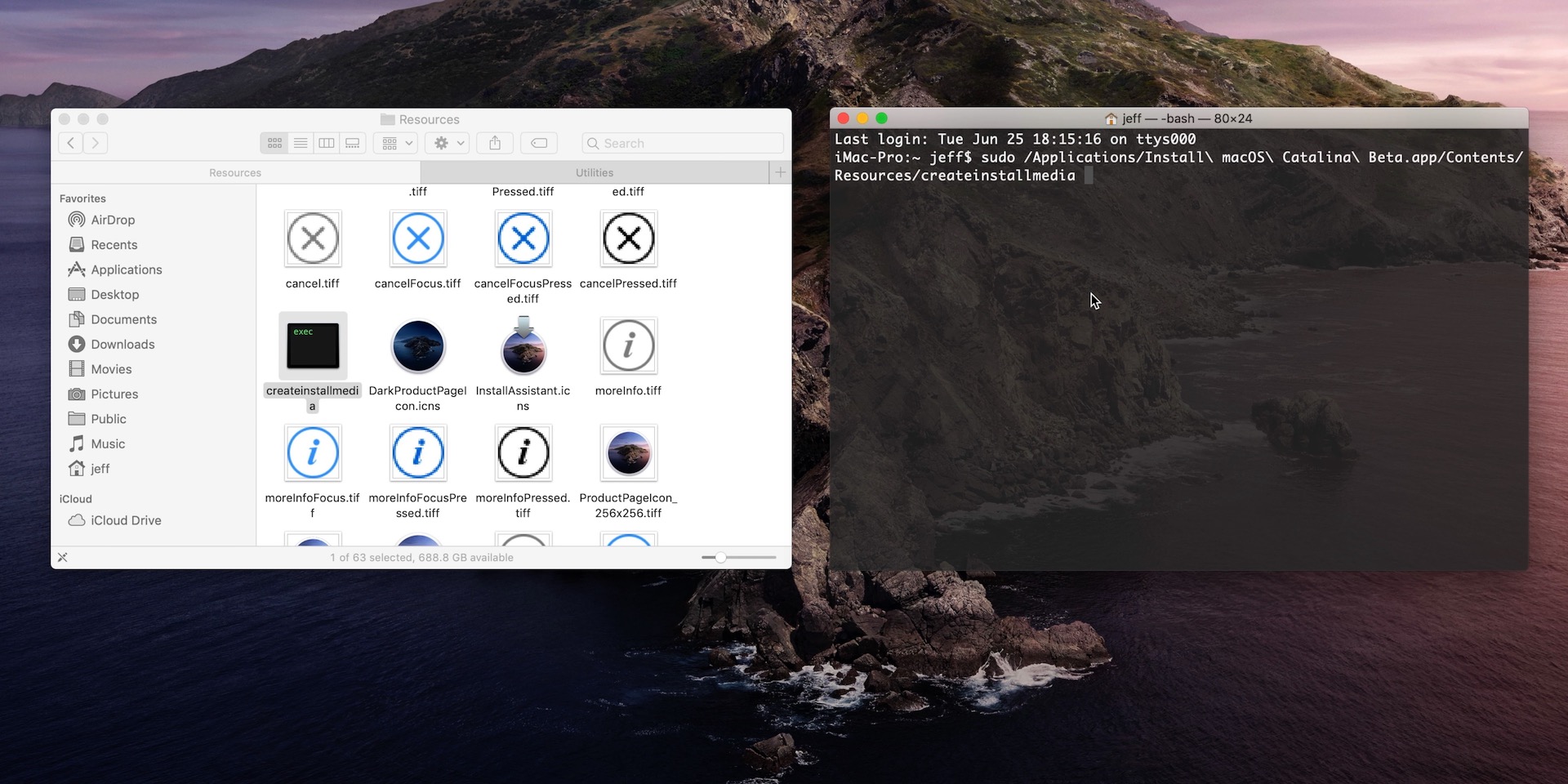
This mode is used when you want to connect two Macs together either to transfer files or to access startup disk when one of your Mac’s has booting issues. To enter ‘target disk mode’, restart your Mac and when you hear the startup chime, press and hold ‘T’ key.
Restore data after a crash
Sure, the methods explained above can be used to troubleshoot your Mac when it doesn’t boot or experiences a crash. But what happens to the data in such events? There are chances of data loss!
It’s great if you have a backup but if not, it can be extremely hard to cope. Luckily, there are data recovery tools for such incidents.
Boot Mac To Usb Drive
Yodot Software is a great tool to restore data from a crashed Mac hard drive. Not just that, it can also be used to recover data from a corrupt or damaged hard drive. Download a free trial version today and give it a try.